
 English
 Español
 Portugues
 Pусский
 العربية
 Indonesia
 Melayu
 Tiếng Việt
 Filipino


traitement des eaux usées résidentielles
Residential sewage treatment refers to the processes and systems used to collect, treat, and safely dispose of wastewater generated in homes. This wastewater comes from toilets, showers, sinks, dishwashers, washing machines, and other household plumbing fixtures. Proper treatment is essential to protect human health, prevent pollution, and conserve water resources.In many urban and suburban areas, residential sewage is collected through an underground pipe network and transported to a centralized wastewater treatment plant. At the household level, the role is mainly to ensure that wastewater enters the system without blockages or harmful substances. Residents are encouraged not to flush non‑biodegradable items, oils, or chemicals, because these can damage pipes, interfere with treatment processes, and harm the environment.In rural or remote areas, where there is no connection to a public sewer system, on‑site treatment systems such as septic tanks or small package treatment units are commonly used. A septic tank is a buried, watertight container where solids settle to the bottom and form sludge, while lighter materials like oils float to the top as scum. The partially treated liquid in the middle layer flows out into a drainfield, where it is further purified as it percolates through soil. Regular inspection and pumping of the tank are necessary to maintain performance and prevent overflows or contamination of groundwater.More advanced residential treatment units use mechanical and biological processes similar to those in large plants, but on a smaller scale. These systems often include aeration chambers, where air is introduced to encourage the growth of beneficial microorganisms. These microorganisms break down organic matter and nutrients such as nitrogen and phosphorus. After biological treatment, the water usually passes through a settling tank to separate remaining solids. In some systems, disinfection with chlorine or ultraviolet light is used before discharge or reuse.Water reuse is becoming increasingly important in residential sewage treatment. Treated effluent can sometimes be reused for non‑potable purposes such as irrigation, toilet flushing, or landscape watering. This reduces demand on drinking water supplies and can lower utility costs. However, local regulations and quality standards must be followed to ensure that reused water is safe for its intended purpose.Environmental protection is a central goal of residential sewage treatment. Properly treated wastewater reduces the risk of contaminating rivers, lakes, and coastal waters with pathogens, nutrients, and toxic substances. Excess nutrients from untreated sewage can cause algal blooms, which deplete oxygen in water and harm aquatic life. Effective treatment also helps protect drinking water sources and reduces the spread of waterborne diseases.Modern residential systems increasingly incorporate energy‑efficient equipment, remote monitoring, and smart controls. These technologies can optimize aeration, pumping, and maintenance schedules, leading to lower operating costs and improved reliability. Public awareness and responsible household behavior remain equally important. By understanding how residential sewage treatment works and using water sensibly, residents contribute directly to a healthier environment and more sustainable communities.
Produit
Catégorie:
-
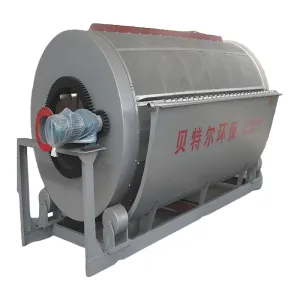
Filtre à tambour micro-écran, équipement de filtration dans le système de traitement des eaux usées
Leur classification: Équipement de prétraitement des eaux uséesVues: 610Numéro:Temps de libération: 2025-11-13 20:27:19Le filtre à tambour rotatif produit par BETTER EPT est largement utilisé dans une variété d'occasions de séparation solide-liquide, telles que le traitement des eaux usées résidentielles, le traitement des eaux usées des usines de papier, le traitement des eaux usées de teinture textile, le traitement chimique des eaux usées, le traitement des eaux usées des abattoirs, etc. Le vide du média filtrant est très petit, sous l'action de la force centrifuge de la rotation du tamis ; les matières en suspension peuvent être interceptées sous une faible résistance, séparant ainsi efficacement les micro matières en suspension dans les eaux usées.
Actualités
Catégorie:
Aucun résultat de recherche!
Affaire
Catégorie:
Aucun résultat de recherche!
Vidéo
Catégorie:
Aucun résultat de recherche!
Téléchargement
Catégorie:
Aucun résultat de recherche!
Recrutement
Catégorie:
Aucun résultat de recherche!
Produits recommandés
Aucun résultat de recherche!

 .



 WhatsApp
 Téléphone